Have a question?
01977 687 665
Skip to Content

Blast Chillers
Blast Chillers


- Best Seller
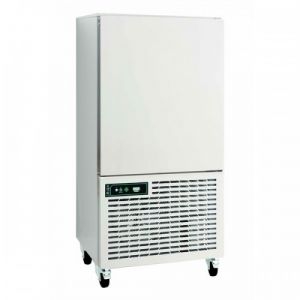
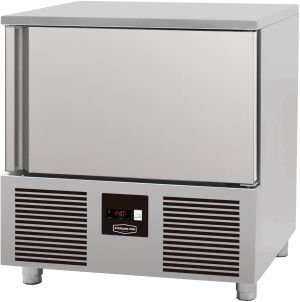
![]() Xtra XR35 Blast Chiller10 x 1/1 GN shelf positionsList: £11,414.40 Save: 45%List: £9,512.00 Save: 45%£6,203.48 £5,169.57
Xtra XR35 Blast Chiller10 x 1/1 GN shelf positionsList: £11,414.40 Save: 45%List: £9,512.00 Save: 45%£6,203.48 £5,169.57 - Best Seller
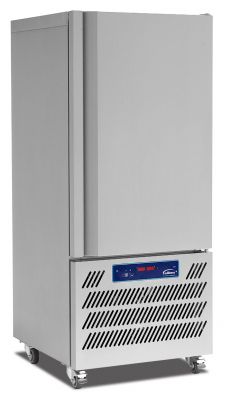
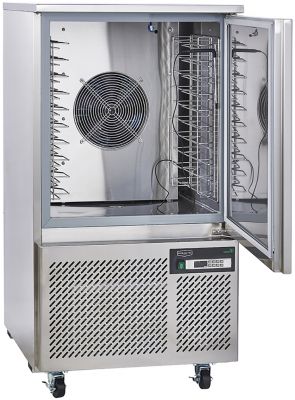
![]() Williams WBC30 Blast ChillerAccommodates 10 x 1/1GN containersList: £12,156.00 Save: 34%List: £10,130.00 Save: 34%As low as £7,927.84 £6,606.53
Williams WBC30 Blast ChillerAccommodates 10 x 1/1GN containersList: £12,156.00 Save: 34%List: £10,130.00 Save: 34%As low as £7,927.84 £6,606.53 -
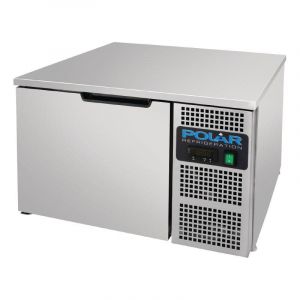
![]() Polar CK640 Countertop Blast ChillerA powerful & reliable addition to the commercial kitchen.List: £1,975.19 Save: 13%List: £1,645.99 Save: 13%£1,704.70 £1,420.58Out of stock
Polar CK640 Countertop Blast ChillerA powerful & reliable addition to the commercial kitchen.List: £1,975.19 Save: 13%List: £1,645.99 Save: 13%£1,704.70 £1,420.58Out of stock -
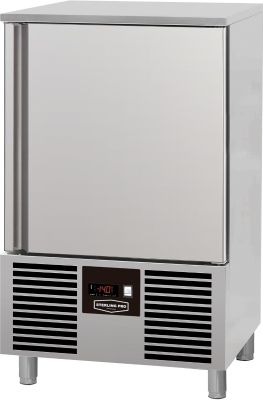
![]() Sterling Pro Cobus SP20BC Single Door Blast Chiller - 5 Grid5 GridList: £3,600.00 Save: 48%List: £3,000.00 Save: 48%£1,839.13 £1,532.61
Sterling Pro Cobus SP20BC Single Door Blast Chiller - 5 Grid5 GridList: £3,600.00 Save: 48%List: £3,000.00 Save: 48%£1,839.13 £1,532.61 -
![]() Blizzard BCF20-HC Blast Chiller / Freezer Stainless SteelHolds 5 x GN1/1List: £3,147.60 Save: 34%List: £2,623.00 Save: 34%£2,052.79 £1,710.66
Blizzard BCF20-HC Blast Chiller / Freezer Stainless SteelHolds 5 x GN1/1List: £3,147.60 Save: 34%List: £2,623.00 Save: 34%£2,052.79 £1,710.66 -
![]() Sterling Pro SP0315BC-HC 3 Grid Single Door Blast Chiller / Freezer, 15kg/6kgList: £4,116.00 Save: 48%List: £3,430.00 Save: 48%£2,102.75 £1,752.29
Sterling Pro SP0315BC-HC 3 Grid Single Door Blast Chiller / Freezer, 15kg/6kgList: £4,116.00 Save: 48%List: £3,430.00 Save: 48%£2,102.75 £1,752.29 -
![]() Tefcold BLCB3X1 Blast Chiller/FreezerGross / Net Weight: 149 kg / 116 kgList: £3,198.00 Save: 33%List: £2,665.00 Save: 33%£2,120.78 £1,767.32
Tefcold BLCB3X1 Blast Chiller/FreezerGross / Net Weight: 149 kg / 116 kgList: £3,198.00 Save: 33%List: £2,665.00 Save: 33%£2,120.78 £1,767.32 -
![]() Tefcold BLCB5X1 Blast Chiller/FreezerBlast chiller/freezer with touch screen controllerList: £3,781.20 Save: 33%List: £3,151.00 Save: 33%As low as £2,507.54 £2,089.62
Tefcold BLCB5X1 Blast Chiller/FreezerBlast chiller/freezer with touch screen controllerList: £3,781.20 Save: 33%List: £3,151.00 Save: 33%As low as £2,507.54 £2,089.62 -
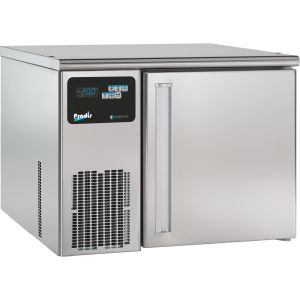
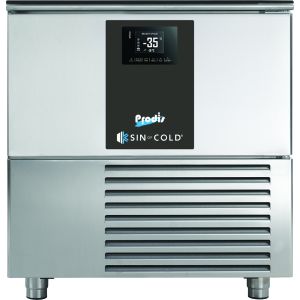
![]() Prodis Sincold MX3.10C Counter Top Blast Chiller 3 Tray / 10kg CapacityList: £4,884.00 Save: 47%List: £4,070.00 Save: 47%£2,570.53 £2,142.11
Prodis Sincold MX3.10C Counter Top Blast Chiller 3 Tray / 10kg CapacityList: £4,884.00 Save: 47%List: £4,070.00 Save: 47%£2,570.53 £2,142.11 -
![]() Sterling Pro SP0523BC-HC 5 Grid Single Door Blast Chiller / Freezer, 23kg/13kgList: £5,208.00 Save: 48%List: £4,340.00 Save: 48%£2,660.62 £2,217.18
Sterling Pro SP0523BC-HC 5 Grid Single Door Blast Chiller / Freezer, 23kg/13kgList: £5,208.00 Save: 48%List: £4,340.00 Save: 48%£2,660.62 £2,217.18 -
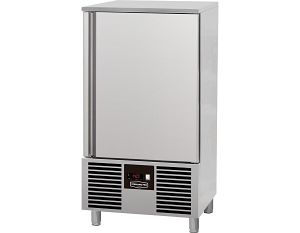
![]() Sterling Pro Cobus SP40BC Single Door Blast Chiller - 10 Grid10 GridList: £5,400.00 Save: 48%List: £4,500.00 Save: 48%£2,758.70 £2,298.92Out of stock
Sterling Pro Cobus SP40BC Single Door Blast Chiller - 10 Grid10 GridList: £5,400.00 Save: 48%List: £4,500.00 Save: 48%£2,758.70 £2,298.92Out of stock -
![]() Prodis Sincold MX5.12C Compact Blast Chiller 5 Tray / 12kg CapacityList: £5,784.00 Save: 47%List: £4,820.00 Save: 47%£3,044.22 £2,536.85
Prodis Sincold MX5.12C Compact Blast Chiller 5 Tray / 12kg CapacityList: £5,784.00 Save: 47%List: £4,820.00 Save: 47%£3,044.22 £2,536.85 -
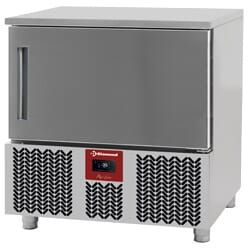
![]() Diamond GTP-5P Blast ChillerHolds 5 x GN1/1 PansList: £5,998.80 Save: 48%List: £4,999.00 Save: 48%£3,064.61 £2,553.84
Diamond GTP-5P Blast ChillerHolds 5 x GN1/1 PansList: £5,998.80 Save: 48%List: £4,999.00 Save: 48%£3,064.61 £2,553.84 -
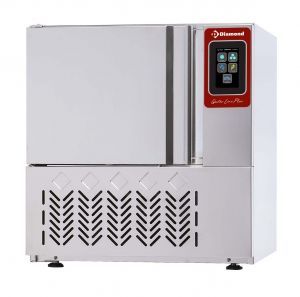
![]() Diamond CBT31/NT Blast Chiller / Freezer with TouchscreenHolds 3 x GN1/1 PansList: £6,016.80 Save: 48%List: £5,014.00 Save: 48%£3,073.80 £2,561.50
Diamond CBT31/NT Blast Chiller / Freezer with TouchscreenHolds 3 x GN1/1 PansList: £6,016.80 Save: 48%List: £5,014.00 Save: 48%£3,073.80 £2,561.50 -
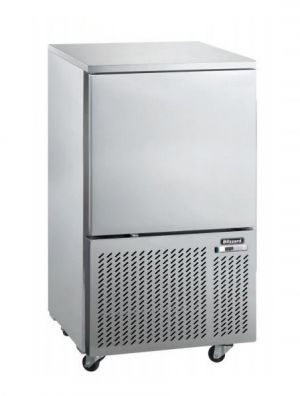
![]() Blizzard BCF40-HC Blast Chiller / Freezer Stainless SteelHolds 10 x GN1/1List: £4,720.80 Save: 34%List: £3,934.00 Save: 34%£3,078.79 £2,565.66
Blizzard BCF40-HC Blast Chiller / Freezer Stainless SteelHolds 10 x GN1/1List: £4,720.80 Save: 34%List: £3,934.00 Save: 34%£3,078.79 £2,565.66 -
![]() Sterling Pro Cobus SP60BC Single Door Blast Chiller - 13 Grid13 Grid DOES NOT COME WITH CASTORSList: £6,048.00 Save: 48%List: £5,040.00 Save: 48%£3,089.75 £2,574.79
Sterling Pro Cobus SP60BC Single Door Blast Chiller - 13 Grid13 Grid DOES NOT COME WITH CASTORSList: £6,048.00 Save: 48%List: £5,040.00 Save: 48%£3,089.75 £2,574.79 -
![]() Sterling Pro SP0840BC-HC 8 Grid Single Door Blast Chiller / Freezer, 40kg/24kgList: £7,128.00 Save: 48%List: £5,940.00 Save: 48%£3,641.48 £3,034.57
Sterling Pro SP0840BC-HC 8 Grid Single Door Blast Chiller / Freezer, 40kg/24kgList: £7,128.00 Save: 48%List: £5,940.00 Save: 48%£3,641.48 £3,034.57 -
![]() Sterling Pro SP1050BC-HC 10 Grid Single Door Blast Chiller / FreezerCapacity: 50kg/30kgList: £7,668.00 Save: 48%List: £6,390.00 Save: 48%£3,917.35 £3,264.46
Sterling Pro SP1050BC-HC 10 Grid Single Door Blast Chiller / FreezerCapacity: 50kg/30kgList: £7,668.00 Save: 48%List: £6,390.00 Save: 48%£3,917.35 £3,264.46 -
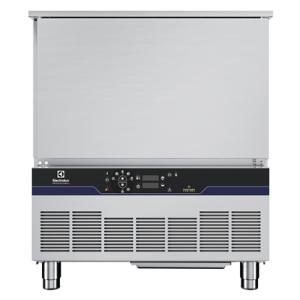
![]() Electrolux Professional RBF061 Blast Chiller & Freezer (725212)Part of the high quality Electrolux range of blast chillers & freezersList: £7,848.00 Save: 50%List: £6,540.00 Save: 50%£3,924.00 £3,270.00
Electrolux Professional RBF061 Blast Chiller & Freezer (725212)Part of the high quality Electrolux range of blast chillers & freezersList: £7,848.00 Save: 50%List: £6,540.00 Save: 50%£3,924.00 £3,270.00 -
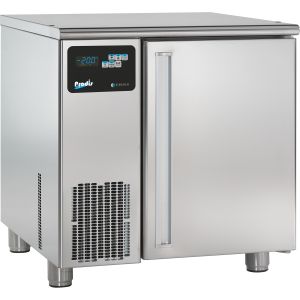
![]() Prodis Sincold MXE5.20 Counter Height Blast Chiller 5 Tray / 20kg CapacityList: £7,800.00 Save: 47%List: £6,500.00 Save: 47%£4,105.27 £3,421.06
Prodis Sincold MXE5.20 Counter Height Blast Chiller 5 Tray / 20kg CapacityList: £7,800.00 Save: 47%List: £6,500.00 Save: 47%£4,105.27 £3,421.06 -
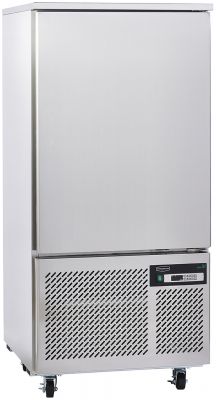
![]() Blizzard BCF60-HC Blast Chiller / Freezer Stainless SteelHolds 13 x GN1/1List: £6,588.00 Save: 34%List: £5,490.00 Save: 34%£4,296.53 £3,580.44
Blizzard BCF60-HC Blast Chiller / Freezer Stainless SteelHolds 13 x GN1/1List: £6,588.00 Save: 34%List: £5,490.00 Save: 34%£4,296.53 £3,580.44 - Foster Kore 52-101 KB5 Blast Chiller 10kgCommercial stainless steel blast chillerList: £8,342.40 Save: 47%List: £6,952.00 Save: 47%£4,397.89 £3,664.91
-
![]() Polar U-Series Blast Chiller with Touchscreen Controller (40/28kg)10 x GN 1/1 capacityList: £5,279.99 Save: 16%List: £4,399.99 Save: 16%£4,433.68 £3,694.73Out of stock
Polar U-Series Blast Chiller with Touchscreen Controller (40/28kg)10 x GN 1/1 capacityList: £5,279.99 Save: 16%List: £4,399.99 Save: 16%£4,433.68 £3,694.73Out of stock -
![]()
-
![]()
- Foster Kore 52-102 KB6 Blast Chiller 20kgCommercial stainless steel blast chillerList: £8,894.40 Save: 47%List: £7,412.00 Save: 47%£4,688.89 £3,907.41
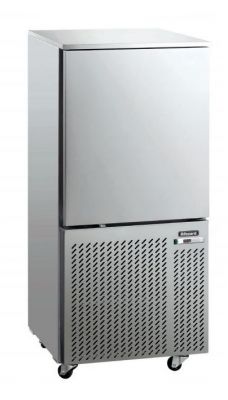
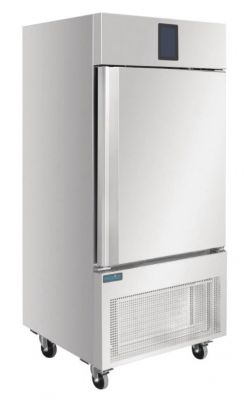
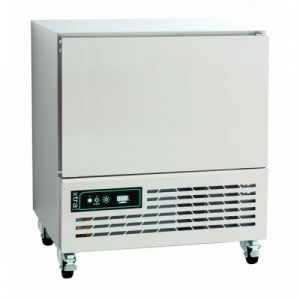

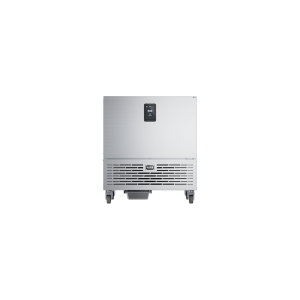


Blast Chillers
Commercial blast chillers, sometimes referred to as shock chillers, provide a fast and controlled way to reduce the temperature of freshly cooked food, helping professional kitchens prepare food in advance while maintaining quality and efficient food storage. Our range of blast chillers includes compact countertop models through to larger-capacity cabinets, with options from leading catering equipment manufacturers to suit restaurants, hotels, pubs, contract caterers and other professional foodservice operations.
Blast chilling typically reduces the core temperature of hot food from around 70°C to 3°C within 90 minutes, allowing food to pass through the temperature range where bacterial growth can occur more quickly than with conventional refrigeration. The exact performance and cycle times vary between machines, so it is important to choose a model with sufficient capacity for the quantity of food your kitchen needs to chill.
Choosing the Right Commercial Blast Chiller
When choosing a blast chiller, consider the quantity of food you need to process in each cycle, the number and size of trays or containers you use, the available space in your kitchen and the electrical supply required. Capacity is commonly specified by the weight of food that can be chilled per cycle or by the number of Gastronorm (GN) containers the cabinet can accommodate. Choosing the right capacity can help your kitchen process prepared food efficiently without paying for more equipment than you need.
Commercial blast chillers are available in different sizes and configurations, including compact countertop models, undercounter units, upright or reach-in cabinets and larger roll-in equipment. The most suitable configuration will depend on the volume of food you need to process, the available kitchen space and how your team handles trays and food containers. Before choosing a model, consider the space available for the unit, the access route into the kitchen and the electrical supply required.
Many models are compatible with standard GN containers, making them suitable for cook-chill operations and batch preparation in professional kitchens. Always check the manufacturer's specifications for the exact GN capacity, chilling performance and electrical requirements of the individual unit.
How Does a Blast Chiller Work?
A blast chiller uses powerful cold air circulation to remove heat from freshly cooked food much faster than a standard refrigerator. The rapid movement of chilled air around the food accelerates the cooling process, allowing the core temperature to be reduced quickly and in a controlled environment.
Rapid cooling helps reduce the amount of time food spends at temperatures where food-poisoning bacteria can grow. This makes blast chillers particularly useful for professional kitchens that prepare food in advance or cool larger quantities of food before transferring it to refrigerated storage.
Blast Chiller Features and Functions
Blast chillers can offer a range of features designed to help professional kitchens control the chilling process. Depending on the model, chilling programmes may include different cooling cycles such as soft or hard chilling, while combination units may also provide freezing or shock-freezing functions. These programmes allow the equipment to be selected according to the type and quantity of food being processed.
Some commercial blast chillers use a core temperature probe to monitor the temperature of food during the chilling cycle, while selected models can also provide temperature recording or data-logging functions. These features can help kitchens monitor chilling cycles and maintain appropriate food-safety records as part of their own food-safety procedures.
Depending on the model, a blast chiller may also switch to a holding or storage temperature once the chilling cycle has been completed. This can help maintain the required temperature until the food is ready to be transferred to refrigerated storage or used during service.
Blast Chiller vs Standard Commercial Refrigerator
A standard commercial refrigerator is primarily designed to maintain the temperature of food that has already been chilled, rather than rapidly cooling large quantities of freshly prepared hot food. Placing substantial quantities of hot food into a conventional refrigerator can increase the temperature inside the cabinet and affect other stored products.
A blast chiller is specifically designed to remove heat rapidly from freshly prepared food, making it more suitable for kitchens that regularly need to cool food quickly before refrigerated storage. This can be particularly valuable when preparing food in batches ahead of busy service periods or operating a cook-chill system.
What Can You Use a Blast Chiller For?
Commercial blast chillers are useful for kitchens that prepare food in advance or need to cool larger quantities efficiently. They can be used for a wide range of prepared foods, including cooked meals, sauces, soups, meats, vegetables and other dishes that need to be chilled before storage or service.
By allowing food to be prepared and chilled in batches, blast chillers can help professional kitchens organise production around busy service periods. They are commonly used in restaurants, hotels, pubs, contract catering and other foodservice operations where food is prepared in advance or as part of a cook-chill system.
Blast Chillers or Blast Chiller Freezers?
If you only need to rapidly chill freshly prepared food, a dedicated blast chiller may be the right choice. If you also need to freeze prepared food, a combined blast chiller freezer can provide both functions in one unit. We have separated these options to make it easier to find the equipment that matches your requirements.
Blast Chillers Only are designed for kitchens that need rapid chilling without a freezing function. For equipment that can both chill and freeze, see our Blast Chiller Freezer Combination range.
Commercial Blast Chillers for Professional Kitchens
Blast chillers are used across a wide range of professional foodservice environments where food is prepared in advance and needs to be chilled efficiently. They can be particularly useful for restaurants, hotels, pubs, catering operations and other commercial kitchens preparing food in batches or operating a cook-chill system.
Explore our range of commercial blast chillers to compare capacities, GN configurations, features and prices from leading catering equipment brands.

Shop By
Shopping Options
Blast Chillers
