Low price guarantee
We will do our best to match any genuine quote
Call us between 8:00am and 5:30pm
01977 687 580
Lease purchase available
on orders over £1000
Spend £50 or more for free delivery
Free delivery* on this order

Category: Catering Equipment

A Simple Buying Guide: Choose your Commercial Ice Machine

Author Jacob Harrison
Posted On 21st September 2026

Commercial Ice Machine Buying Guide: How to Choose the Right Ice Machine

Choosing the right commercial ice machine depends on more than simply looking at how much ice a machine can produce. You need to consider the type of ice your business requires, how much you use during busy periods, how much storage you need and where the machine can be installed.

This commercial ice machine buying guide explains the main factors to consider before buying, including ice type, production capacity, storage capacity, machine configuration, cooling method, installation requirements and maintenance. Whether you run a bar, restaurant, hotel, café or catering operation, understanding these specifications will help you choose an ice machine that suits the way your business operates.

What Is a Commercial Ice Machine?

A commercial ice machine is designed to produce ice for professional foodservice, hospitality and catering applications. Unlike domestic ice makers, commercial machines are available in a much wider range of production capacities, ice types and configurations to suit different levels of demand.

Commercial ice machines can produce different ice profiles, including cube, gourmet-style, thimble-shaped, flaked and granular ice. Machines are also available as compact countertop or undercounter units, self-contained machines and larger modular systems designed for higher-volume production.

Browse our commercial ice machines to see the different types and capacities available from CS Catering Equipment.

What Type of Ice Do You Need?

The type of ice produced is one of the first things to consider when choosing a commercial ice maker. Different ice profiles suit different applications, so the machine should be selected around how the ice will actually be used.

Cube and Gourmet-Style Ice

Cube and gourmet-style ice are commonly used for drinks in bars, pubs, restaurants, hotels and cafés. Larger, well-formed cubes can be suitable for drinks where the appearance and longevity of the ice are important.

For example, the Hoshizaki IM-30CPE available through CS Catering Equipment produces large cubed ice, making this type of machine relevant for businesses where cube size and presentation are important considerations.

Thimble and Similar Ice

Some commercial ice machines produce thimble-shaped or similar ice profiles. These can provide a different balance of cooling, drink presentation and handling compared with traditional cubes.

The Scotsman ACM57 EcoX is an example of a self-contained commercial ice machine producing thimble-shaped ice. When comparing machines, check the actual ice profile as well as the production capacity to make sure it suits your application.

Flaked and Granular Ice

Flaked and granular ice are particularly useful for food display, presentation and storage applications. The softer texture and shape can make these ice types suitable for displaying products while helping to keep them chilled.

Businesses such as fishmongers, butchers and other food display operations may have different requirements from a bar or restaurant serving drinks. If you need flaked ice, explore our range of commercial ice flakers.

How Much Ice Do You Need?

Commercial ice machines are commonly specified by their ice production over a 24-hour period. For example, a machine described as producing 40kg per 24 hours is designed to produce up to that stated quantity under the conditions used for its rating.

However, daily production should not be the only figure you consider. Your business may use substantially more ice during busy periods than quieter periods, so it is important to think about when demand occurs rather than simply calculating an average daily requirement.

Consider:

  • How much ice is normally used during a typical service.
  • How much ice is required during your busiest periods.
  • Whether demand is concentrated into a short period or spread throughout the day.
  • Whether the ice is used for drinks, food display, storage or other applications.
  • Whether the machine will be able to replenish its storage during busy service.

Our commercial ice makers range from compact machines for lower-volume requirements through to high-output machines for larger operations.

Production Capacity vs Storage Capacity

One of the most important distinctions when comparing commercial ice machines is the difference between production capacity and storage capacity.

Production capacity describes how much ice the machine can produce over a 24-hour period, while storage capacity describes how much ice can be held in the machine’s integrated storage bin at one time.

For example, a machine producing 40kg of ice per 24 hours does not necessarily store 40kg of ice. The Masterfrost M400 currently listed by CS Catering Equipment produces 40kg per 24 hours and has 18kg of storage. This distinction is important when deciding whether the machine can cope with your busiest service periods.

How Much Ice Storage Do You Need?

Storage capacity determines how much ready-to-use ice can be held before the machine needs to produce more. A machine with a relatively high production rate can still have limited integrated storage, so consider both figures when comparing models.

If your business experiences periods of high demand, having sufficient storage can help ensure that ice is available when it is needed. This is particularly relevant where demand is concentrated around busy service periods.

Some machines combine ice production and storage in one unit, while larger operations may use a modular ice machine with a separate storage bin or silo.

CS Catering Equipment also supplies ice storage and service equipment for businesses that require additional ways to store and handle ice.

Integral or Modular Ice Machine?

Commercial ice machines are generally available in integral, also known as self-contained, configurations or modular configurations. The right option depends on your available space, required production capacity and how the ice will be stored.

Integral or Self-Contained Ice Machines

An integral ice machine combines the ice-making system and storage bin in one unit. This makes the configuration relatively straightforward and can be useful where space is limited or where you want production and storage contained within a single machine.

Compact countertop and undercounter models can be particularly useful for smaller bars, cafés and catering operations where available floor space is limited.

For example, the Prodis PB30A is an undercounter ice maker currently listed with CS Catering Equipment. It produces 28kg of ice per 24 hours and has 6.5kg of storage, illustrating how production and storage capacity can vary significantly between machines.

Modular Ice Machines

Modular ice machines separate the ice-making equipment from the storage bin. This type of system can provide a solution for higher-volume applications where greater production and storage capacity are required.

When choosing a modular system, the ice machine and compatible storage equipment need to be considered together. You should check the required dimensions, production capacity, storage capacity and installation requirements before ordering.

Air-Cooled or Water-Cooled?

The cooling method is another important consideration when selecting a commercial ice machine. Air-cooled and water-cooled machines use different methods to remove heat generated during the ice-making process.

Air-Cooled Ice Machines

Air-cooled machines use air to remove heat from the refrigeration system. They generally require adequate airflow around the machine, so the installation location needs to provide sufficient ventilation and clearance in accordance with the manufacturer’s requirements.

Consider where the machine will discharge warm air and whether this could affect the surrounding working environment, particularly in a small or enclosed area.

Water-Cooled Ice Machines

Water-cooled machines use water as part of the cooling process. This can be useful in certain installation environments, but water consumption and drainage requirements should be considered before choosing this configuration.

The appropriate cooling method depends on the machine, installation environment and manufacturer’s specifications. Always check the technical information for the specific model before installation.

Where Can You Install a Commercial Ice Machine?

Before buying a commercial ice maker, make sure the intended installation area can accommodate the machine and its service requirements. The available space is only one part of the installation; water, drainage, electrical supply and ventilation may also need to be considered.

Available Space

Measure the available area carefully and compare it with the machine’s overall dimensions. Remember to allow any clearance required by the manufacturer for ventilation, servicing and access.

For undercounter machines, also check that the machine can fit comfortably beneath the intended counter and that its connections can be accommodated.

Water Supply

Many commercial ice machines require a mains water connection, although the exact requirements vary between models. Check the manufacturer’s installation specifications before ordering to confirm the required water connection and any water pressure requirements.

Drainage

Drainage is an important part of the installation. Commercial ice machines may use a gravity drain, while some installations may require or allow a drain pump depending on the position of the machine and the available drainage point.

CS Catering Equipment’s current ice machine range includes models with gravity drainage, drain pumps and gravity drainage with optional pump configurations. Check the drainage requirements of the specific machine before purchase.

Electrical Supply

Check the machine’s electrical requirements before installation, including voltage, power requirements and the type of electrical connection specified by the manufacturer.

Ventilation

If you are installing an air-cooled machine, consider the airflow around the unit and where warm air will be discharged. Restricted airflow can affect the suitability of an installation, so the manufacturer’s clearance and ventilation requirements should always be followed.

What Features Should You Look For?

Once you know the required ice type, production capacity and installation configuration, compare the features and specifications that will affect day-to-day operation.

  • Ice type: Make sure the machine produces the ice profile required for your application.
  • Production capacity: Check the stated ice production per 24 hours.
  • Storage capacity: Check how much ice the integrated bin can hold.
  • Machine configuration: Decide whether an integral or modular machine is appropriate.
  • Dimensions: Confirm that the machine will fit the available installation space.
  • Cooling method: Consider whether air cooling or water cooling is suitable for the installation.
  • Drainage: Check whether the machine uses gravity drainage or requires a drain pump.
  • Water connection: Confirm the water supply requirements before installation.
  • Access for cleaning: Make sure routine cleaning and maintenance can be carried out easily.
  • Filtration: Consider whether a suitable water filtration system is appropriate for the installation.

Water Quality, Filtration and Maintenance

Water quality can affect the operation of an ice machine as well as the quality of the finished ice. The suitability of the incoming water supply should therefore be considered when planning an installation.

CS Catering Equipment supplies water filtration systems for ice machines, including replacement filters and installation kits. The appropriate filtration system will depend on the machine and the water supply, so check the requirements before purchasing.

Cleaning and Sanitisation

Commercial ice machines require regular cleaning and sanitisation as part of normal operation. Ice comes into direct contact with food and drinks, so maintaining clean internal surfaces, storage areas and ice-contact components is important.

Always follow the cleaning and maintenance instructions supplied with the specific machine. The manufacturer’s guidance should take priority because cleaning procedures and recommended intervals can vary between models.

Routine Maintenance

Keep the machine’s ventilation areas, water connections, drainage and accessible components clean and in good condition. Regularly check for signs of scale, contamination, restricted airflow or drainage problems.

Where a machine is used heavily, planned maintenance can also help identify problems before they affect ice production during busy service periods.

Which Commercial Ice Machine Do You Need?

There is no single commercial ice machine that suits every business. The right choice depends on the application, required ice type, production demand, storage requirement and installation environment.

Business requirement What to consider
Small bar or café Compact integral or undercounter machine with a suitable production and storage capacity.
Busy bar or restaurant Higher production capacity, sufficient storage and an ice type suited to drinks service.
Hotel or high-volume operation Higher-output equipment, potentially using a modular machine with separate ice storage.
Food display Consider flaked or granular ice where the application requires a suitable display and storage format.
Limited installation space Look at countertop or undercounter machines and carefully check dimensions and connection requirements.

For a broad selection of production capacities and configurations, browse our commercial ice makers.

Commercial Ice Machine Buying Checklist

Before choosing a commercial ice machine, work through the following checklist:

  • What type of ice does your business need?
  • How much ice do you use during a normal service?
  • How much ice is required during your busiest periods?
  • What production capacity does the machine provide per 24 hours?
  • How much integrated storage does the machine provide?
  • Will an integral machine be sufficient, or do you need a modular system?
  • Does the machine fit within the available space?
  • Is the required water supply available?
  • Is suitable drainage available?
  • Is the electrical supply suitable?
  • Does the installation provide sufficient ventilation where required?
  • Would water filtration be appropriate?
  • Can the machine be accessed easily for cleaning and maintenance?
  • Have you checked the manufacturer’s installation requirements?

Commercial Ice Machine FAQs

What is the difference between an ice maker and an ice machine?

The terms are often used interchangeably for commercial equipment. In practice, commercial ice machines can describe a wide range of equipment that produces ice, including integral machines, modular ice makers and specialist machines that produce different ice profiles.

How much ice does a commercial ice machine make?

Production varies considerably between models. Commercial ice makers are commonly specified by their production over a 24-hour period, with CS Catering Equipment offering machines ranging from compact lower-output models through to high-capacity commercial systems.

Remember that the stated production capacity is different from the machine’s storage capacity. Always check both figures when comparing models.

What type of ice machine is best for a bar?

The appropriate machine depends on the drinks being served, the amount of ice required and the available installation space. Cube and gourmet-style ice are commonly used for drinks service, while the required production and storage capacity will depend on the level and timing of demand.

What type of ice is used for food display?

Flaked and granular ice can be suitable for food display and storage applications. The appropriate ice type will depend on the product being displayed and the requirements of the business.

Do commercial ice machines need a water supply?

Many commercial ice machines require a water connection, but the exact requirements vary between models. Check the manufacturer’s technical specifications before purchase to confirm the required water connection and installation requirements.

Do commercial ice machines need a drain?

Commercial ice machines require appropriate drainage for water produced during operation and cleaning. Depending on the model and installation, this may use gravity drainage or a drain pump. Always check the specific machine’s installation requirements.

How often should a commercial ice machine be cleaned?

Cleaning requirements vary between machines and manufacturers. Follow the cleaning and sanitisation instructions supplied with the machine and maintain a regular cleaning routine appropriate to the level of use.

Do I need a water filter for an ice machine?

A suitable water filtration system can be an important consideration where water quality may affect ice quality, equipment performance or maintenance requirements. The need for filtration and the appropriate system depend on the machine and incoming water supply.

Choose the Right Commercial Ice Machine

The best starting point when choosing a commercial ice machine is to work out exactly how your business will use the ice. Identify the required ice type, estimate your normal and peak demand, compare production and storage capacity, then check the available space, water supply, drainage and electrical requirements.

Once you understand these requirements, you can compare commercial ice makers based on the specifications that actually matter to your business rather than simply choosing the machine with the highest output.

Browse our commercial ice makers at CS Catering Equipment to compare different capacities, ice types and machine configurations.
A Simple Buying Guide: Choose your Commercial Bain Marie

Author Jacob Harrison
Posted On 7th September 2026

Commercial Bain Marie Buying Guide: How to Choose the Right Bain Marie

Choosing the right commercial Bain Marie can make hot food holding much easier during busy service. Whether you need to keep sauces, gravy, vegetables or prepared dishes at a suitable serving temperature, the right equipment needs to match your menu, available space and service requirements.

Commercial Bain Maries are available in a range of configurations, including wet and dry heat models, GN pan and round-pot designs, compact countertop units and larger multi-pot equipment. This guide explains the main differences and how to choose the right commercial Bain Marie based on your food, service volume, available space and kitchen requirements.

1. What Is a Commercial Bain Marie?

A commercial Bain Marie is a piece of heated food holding equipment designed to keep prepared food warm and ready for service. Depending on the design, the heating elements transfer heat directly to the containers or through a heated water bath.

Kitchen teams commonly use Bain Maries to hold prepared food for service rather than cook food from raw. They are particularly useful for keeping sauces, gravy, vegetables and other prepared foods warm while helping kitchens maintain an organised and efficient service.

2. What Is a Commercial Bain Marie Used For?

The main purpose of a commercial Bain Marie is to provide controlled hot holding during food service. They are commonly found in restaurants, cafés, takeaways, hotels, buffets, canteens and catering operations.

Choose the type and configuration according to what you are serving. For example, a small café serving a few sauces may only need a compact unit with a couple of containers, while a busy buffet or high-volume kitchen may need several GN containers and greater holding capacity.

Instead, consider the food you need to hold, how often staff need to replenish it and how much food you need available during your busiest service period. These factors are more useful when choosing capacity than simply looking at the number of customers you serve.

3. Wet Heat vs Dry Heat Commercial Bain Maries

One of the first decisions to make is whether you need a wet heat or dry heat Bain Marie. Both types support hot holding, but they transfer heat differently and suit different applications.

Wet Heat Bain Maries

Wet heat Bain Maries use heated water between the heating element and the food container. The water provides a gentler and more even way to transfer heat, so this type can suit foods that benefit from indirect heating.

Wet heat can be a good choice for sauces, gravy and other foods where controlled, gentle heating is important. Monitor the water level during use, and empty and clean the unit regularly.

For a compact wet heat option, the Lincat LBM2W provides a compact countertop solution for kitchens where space is limited.

Dry Heat Bain Maries

Dry heat Bain Maries heat the containers directly without using a water bath. They can be simpler to operate because you do not need to fill, maintain or drain a water bath during normal use.

Dry heat can be a practical choice for general hot holding where a water bath is not required. As with any hot holding equipment, choose dry heat according to the food you hold and the manufacturer’s operating instructions.

The Lincat Lynx LBM is an example of a compact dry heat Bain Marie designed for countertop use.

Which Is Better?

Neither wet nor dry heat is automatically the better option. The right choice depends on the food you are holding and how you operate your kitchen.

Consideration Wet Heat Dry Heat
Heat transfer Through a heated water bath The heating elements transfer heat directly to the food container
Suitable for Gentle, indirect hot holding General hot holding applications
Water required Yes No
Maintenance Requires water management and cleaning No water bath to manage

4. How Big Should a Commercial Bain Marie Be?

Choose the size according to how much food you need to hold at one time, the number of different dishes you serve and the space available in your kitchen.

Rather than choosing a Bain Marie based only on customer numbers, consider how many different foods you need to hold and how much of each you need during your busiest service period.

For example, a compact one- or two-container Bain Marie may suit a small café or takeaway, while a larger multi-pot or multi-pan unit can suit a busy restaurant, buffet or catering operation.

Also measure the space where the Bain Marie will be installed before purchasing. Also allow enough room for staff to work around the unit and access lids, pans and other equipment easily.

For kitchens requiring several individual food containers, the Hallco MBM3WT is an example of a wet heat Bain Marie with three pots and a drain tap, illustrating how a multi-pot configuration can provide separate holding areas for different foods.

5. Understanding GN Pans and Bain Marie Capacity

Many commercial Bain Maries use Gastronorm, or GN, pan sizes. GN pans provide a standardised way to organise food containers and are widely used throughout professional kitchens.

When comparing Bain Maries, do not rely solely on the number of pans. Two Bain Maries sold as four-pan models can have very different configurations and therefore very different usable capacities.

For example, a unit configured with two 1/3 GN pans and two 1/6 GN pans provides a different combination of food-holding space from a unit using four 1/4 GN pans. Think about the type and quantity of food you need to hold rather than simply counting containers.

The Buffalo FT691, for example, uses a combination of 2 x 1/3 GN and 2 x 1/6 GN containers. This illustrates why checking the actual GN configuration is important when comparing models.

If you need additional or replacement containers, you can also browse our Gastronorm pans for a range of standard GN sizes.

6. GN Pans or Round Pots: Which Bain Marie Should You Choose?

Commercial Bain Maries are available with GN containers as well as round pots. The best format depends largely on what you are serving and how your kitchen handles food during service.

GN Bain Maries

GN containers are particularly useful when you need to hold a variety of foods in a standardised format. You can choose different sizes and depths, allowing you to configure the available space around your menu.

Staff can also move GN pans between compatible catering equipment, which can help busy professional kitchens.

Round-Pot Bain Maries

Round-pot Bain Maries can particularly suit sauces, gravy and other foods that staff commonly serve from individual pots. They can also provide a straightforward solution where a kitchen does not require a GN configuration.

The Hallco MBM2R is an example of a two-pot dry heat Bain Marie using round pots rather than GN pans.

When deciding between the two, consider the food you serve, the quantities involved and whether you already use GN containers elsewhere in your kitchen.

7. Countertop or Larger Commercial Bain Marie?

Countertop Bain Maries are often the most practical choice where kitchen space is limited. They can be positioned on an existing work surface and are suitable for many cafés, takeaways, restaurants and smaller catering operations.

Larger Bain Marie equipment can provide greater capacity and may suit high-volume service, buffet operations or kitchens where you hold several different dishes at once.

However, consider both your current requirements and how the equipment will fit into your kitchen workflow. A larger unit is not necessarily better if it takes up preparation space that you need elsewhere.

For larger operations, hot cupboards and other hot-holding equipment can also form part of a wider food service setup. Browse our hot cupboards and plate warmers for other commercial hot-holding options.

8. What Features Should You Look For in a Commercial Bain Marie?

Once you have chosen the basic type and capacity, consider which features will make the Bain Marie easier and more practical to use.

Drain taps

A drain tap can make a wet heat Bain Marie considerably easier to empty, particularly in busy kitchens where staff drain and clean the unit regularly.

The Buffalo FT694 is an example of a 1/1 GN Bain Marie incorporating a tap.

Temperature control

Adjustable temperature controls allow the operator to regulate heat for the application. Always operate the equipment within the manufacturer’s specified temperature range.

Pans and pots included

Check whether the manufacturer includes the GN pans or round pots you need with the Bain Marie. However, a lower-priced unit may not offer the best value if you need to buy a complete set of containers separately.

Capacity and configuration

Look beyond the headline number of pans or pots. Check the exact GN sizes, depths and configuration so the unit matches the food you intend to hold.

Power requirements

Check the electrical requirements before ordering. Compact commercial Bain Maries may be suitable for standard 13A supplies, while larger equipment can have different power requirements. Therefore, make sure the intended installation point can safely accommodate the equipment.

9. Choosing a Bain Marie for Your Catering Business

Different catering businesses can have very different hot holding requirements. Therefore, no single Bain Marie configuration suits everyone.

Cafés and smaller kitchens

Compact countertop models can help when worktop space is limited and you only need to hold a small number of foods. Focus on footprint, container configuration and ease of operation.

Restaurants

Restaurants should consider the number and variety of dishes they need available during service. Capacity, heat type, GN configuration and ease of cleaning can all influence the most suitable choice.

Buffets and self-service

Buffet operations may benefit from greater capacity and multiple containers, particularly when several dishes need to remain available at the same time. Also consider presentation and accessibility alongside heating performance.

Caterers and high-volume operations

Catering operations should consider capacity, flexibility and how easily the equipment can fit into their service setup. If you use the equipment for extended periods, durability and straightforward cleaning are also important considerations.

10. What Else Do You Need With a Bain Marie?

The Bain Marie itself may not be the only equipment you need. Before ordering, check whether your chosen model includes the pans or pots required for your application.

If you use round-pot equipment, additional Bain Marie pots can be useful for replacing damaged containers or increasing your available capacity.

For GN models, consider whether you need additional gastronorm containers, lids or different depths for the food you are holding.

Also consider how the Bain Marie fits into the wider kitchen. For larger operations, hot cupboards, plate warmers and buffet equipment may form part of the same hot holding and service setup.

11. Food Safety and Using a Bain Marie Correctly

A Bain Marie helps maintain hot holding temperatures, but the equipment itself does not guarantee food safety. Food businesses must still monitor and manage food temperatures as part of their food safety procedures.

The Food Standards Agency advises that, in general, businesses should keep hot food at 63°C or above, subject to certain exceptions. Preheat hot holding equipment before adding food, and cook or reheat food thoroughly before you begin hot holding. Do not use a Bain Marie to cook or reheat food.

Operators should use a suitable, disinfected temperature probe to verify that their hot-holding process maintains the required temperature. Finally, follow current food-safety guidance and your own food safety management procedures.

For wet heat models, maintain the manufacturer’s specified water level and never allow the water bath to run dry.

12. Cleaning and Maintaining a Commercial Bain Marie

Regular cleaning is essential for hygienic food holding and helps keep the Bain Marie operating effectively.

Allow the equipment to cool as the manufacturer directs before cleaning. With wet heat models, empty the water safely, remove pans or pots and clean food-contact surfaces according to the manufacturer’s instructions.

Pay particular attention to areas where food debris, grease or limescale can accumulate. Follow the manufacturer’s cleaning and descaling instructions where applicable.

Never immerse electrical components or use cleaning methods that are not approved by the manufacturer. Regularly inspect controls, cables, taps and other components to help identify problems before they affect service.

13. Which Commercial Bain Marie Is Right for You?

Ultimately, choose the Bain Marie that matches your menu, service volume, available space and preferred method of food holding.

Your requirement What to consider
Holding sauces, gravy or delicate foods Consider wet heat and suitable container sizes
General hot holding Compare wet and dry heat based on your application
Standardised food containers Choose a suitable GN configuration
Individual sauces or portions Consider a round-pot Bain Marie
Limited worktop space Look for a compact countertop model
Several dishes during busy service Consider a larger multi-pot or multi-pan unit
Easy emptying and cleaning Consider a model with a drain tap

Before buying, check the heat type, capacity, GN or pot configuration, dimensions, electrical requirements and whether the required containers are included. These details will help you compare models based on what your kitchen actually needs rather than simply choosing the largest or cheapest option.

14. Shop Commercial Bain Maries

Once you know the type, capacity and configuration you need, browse our range of commercial Bain Maries to compare options for professional kitchens and catering operations.

Our range includes wet and dry heat models, GN and round-pot configurations, compact countertop units and larger-capacity options from leading commercial catering equipment manufacturers.

If you are unsure which type or configuration suits your kitchen, contact CS Catering Equipment. Our team can help you identify suitable options for your requirements.

Frequently Asked Questions

What is a commercial Bain Marie?

A commercial Bain Marie is heated food holding equipment that keeps prepared food warm during service. Commercial models come in different heat types, capacities and container configurations to suit different catering applications.

What is the difference between wet and dry heat Bain Maries?

Wet heat Bain Maries use a heated water bath to transfer heat to the food container, while dry heat models heat the container without a water bath. Choose the most suitable option according to the food you hold and how you will use the equipment.

What size Bain Marie do I need?

Choose a size based on the amount and variety of food you need during your busiest service period. Also consider the number of containers you require and the available space in your kitchen.

What is a GN Bain Marie?

A GN Bain Marie holds Gastronorm containers in standardised GN sizes. The exact capacity depends on the number, size and depth of containers the unit can accommodate.

Are Bain Maries suitable for sauces and gravy?

Yes. Kitchens commonly use Bain Maries to hot hold sauces, gravy and other prepared foods. Round-pot models can be particularly convenient for these applications, while GN models offer greater flexibility when you hold different foods.

Do Bain Maries come with pans?

Some models include pans or pots, while others require you to buy them separately. Always check the product specification to confirm what the manufacturer includes before ordering.

A Simple Buying Guide: Choose your Commercial Combi Oven

Author Jacob Harrison
Posted On 10th August 2026

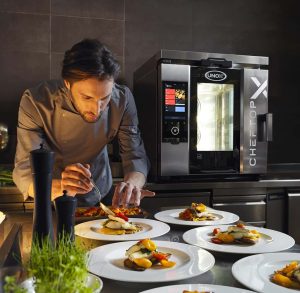
How to Choose the Right Commercial Combi Oven for Your Kitchen

A commercial combi oven is one of the biggest investments you’ll make for your kitchen, and one of the most worthwhile if you get it right. This commercial combi oven buying guide walks through what actually matters: the oven can take over from several pieces of equipment at once, speed up service, and open up what your menu can actually do. Get it wrong, though, and you’re left with an expensive piece of kit that never quite suits the way your kitchen runs.

Here’s what actually matters when you’re weighing up your options.

What this combi oven buying guide covers

A combi oven combines three ways of cooking in one unit: convection (dry heat), steam, and a mix of the two. That’s really the whole appeal of it. The same oven can roast, steam, bake, poach and reheat, so it often replaces a separate steamer and convection oven, and sometimes a hold-o-mat too.

1. Boiler vs boilerless (injection) steam generation

This is usually the first big decision, and it shapes both what you pay upfront and what you’ll pay to run it.

Boiler models make steam using an internal boiler tank. They give you more consistent, higher-quality steam, which is why they’re usually the pick for high-volume kitchens. The trade-off is a higher price tag and more maintenance, particularly descaling.

Boilerless (also called injection) models spray water directly onto a heating element instead. They cost less and are simpler to look after, though steam output can dip slightly when you’re pushing high volumes through.

If you’re running a busy kitchen with heavy steam use, think large-scale batch cooking or a hotel doing banqueting, a boiler model tends to pay for itself over time. For a smaller café, a pub kitchen, or anywhere with lower volume, boilerless is usually the more practical choice.

2. Size and capacity

Combi ovens are sized by how many 1/1 GN (gastronorm) pans they hold. Common sizes run 6, 10, 20 and upwards. It’s easy to talk yourself into buying bigger “just in case,” but that decision costs you three times over: a higher price, more energy use, and space in your kitchen you probably needed for something else.

As a rough starting point:

  • 6 to 10 grid suits cafés, small restaurants and pubs
  • 10 to 20 grid suits mid-size restaurants and hotels
  • 20 grid and up suits high-volume kitchens, contract catering and larger hotels

Size for your busiest service, not your average day. But try not to buy for a level of business you’re unlikely to see for years.

3. Gas vs electric

Both are common, and the right answer usually comes down to what’s already in your kitchen and what matters more to you: running costs or ease of installation.

Gas tends to be cheaper to run where gas prices are favourable, and plenty of chefs simply prefer how responsive it feels. Electric ovens are generally easier and cheaper to install, since you’re not dealing with the same gas supply or extraction requirements, and they tend to give you more precise control over temperature.

If you’re fitting out a kitchen from scratch, electric is often the simpler route logistically. If you’re swapping out an existing gas oven in the same spot, staying with gas can save you on installation.

4. Control type: manual vs programmable

Manual controls are simple and reliable, and they cost less. They suit smaller teams and simpler menus where you’d rather have flexibility than automation.

Programmable, touchscreen controls let you save cooking programs for specific dishes. That’s a genuine advantage for bigger teams, multi-site businesses, or kitchens with less experienced staff. You get more consistency and cut down on training time.

5. Cleaning and maintenance

Combi ovens work hard every day, so it’s worth taking the built-in cleaning systems seriously rather than treating them as an afterthought.

Automatic cleaning systems save real staff time and help stop grease and scale building up on the oven’s internal parts. Water filtration or softening matters a lot if you’re in a hard water area too. Untreated water wears out boiler components a lot faster, and a surprising number of avoidable service call-outs come down to scale build-up that could’ve been prevented.

6. Servicing and support

You’ll likely be running a combi oven daily for eight to ten years or more, so it’s worth thinking past the purchase price. Before you buy, it’s worth checking:

  • What’s actually covered under warranty, and for how long
  • Whether engineers and parts are easy to get hold of in your area, and that any gas engineer is listed on the Gas Safe Register
  • Realistic turnaround times for servicing, since every day the oven’s down is a day of lost service

Quick summary

Consider Choose this if…
Boiler steam High-volume kitchen, heavy steam use
Boilerless steam Lower volume, want simpler maintenance
Bigger grid size High peak covers, batch cooking
Smaller grid size Café, pub kitchen, limited space
Gas Existing gas supply, chef preference
Electric New install, precise temperature control
Programmable controls Larger team, consistency across shifts
Manual controls Small team, simpler menu

Browse our range

Take a look at our full range of Commercial Combi Ovens, or if you’re still weighing up your options, compare them against our Convection Ovens. Once you’ve settled on the right oven, our Oven Accessories range has everything you’ll need to get it up and running.

Not sure which combi oven suits your kitchen? Get in touch with our team and we’ll help you work it out.

Gastronorm Sizes – What do they all mean?

Author Aidan
Posted On 21st March 2019

Gastronorm Sizes Guide CS Catering

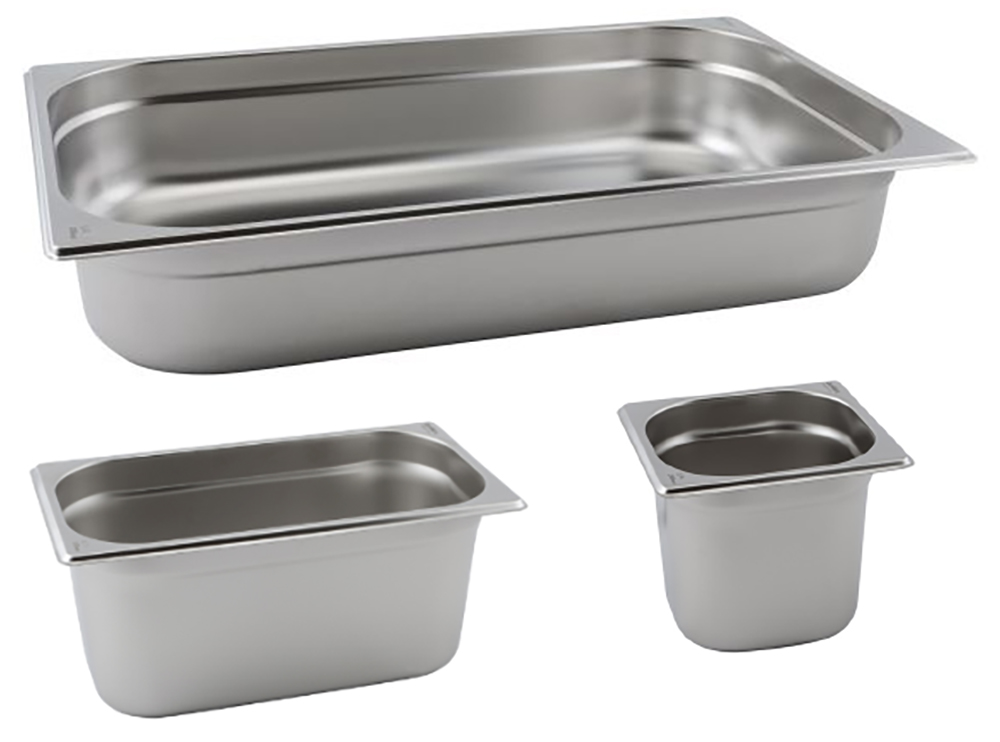
When looking for your next piece of catering equipment, you will often see products labelled with a “GN” number. GN is short for Gastronorm, which is used to measure the size of trays, pans and containers that are created to an industry standard.

[ Read More ]

What’s the deal with drainage?

Author Damien Wilde
Posted On 12th February 2018

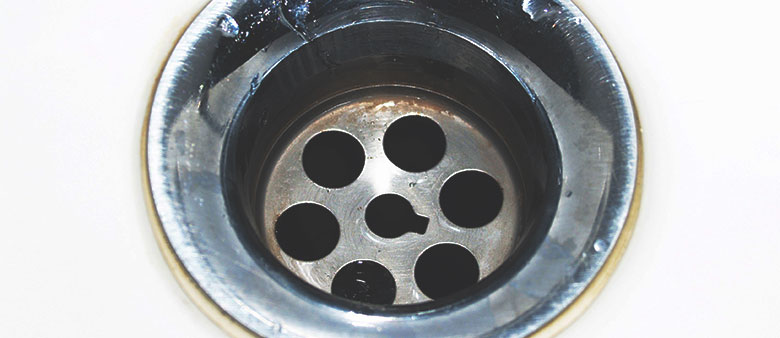
In businesses as well as homes we need to make sure that we are careful with how we dispose of fats, oils and grease.

The last thing you want in a busy kitchen environment is the potential for expensive blockages and kitchen downtime.

So what’s the deal with drainage? How do we get the balance right and eliminate the potential problems with drain blockages? [ Read More ]

Common Cooking Terms Demystified

Author Damien Wilde
Posted On 28th July 2017

The wide array of ways to prepare a meal can confuse even the most seasoned of chefs, so we’ve decided to take a look at some regularly used methods and unearth the meaning behind them

So if your scratching your head wondering about what the heck a recipe means then here’s some of the most common cooking terms demystified directly for your reading pleasure.

[ Read More ]

How to clean an ice machine

Author Damien Wilde
Posted On 7th June 2017

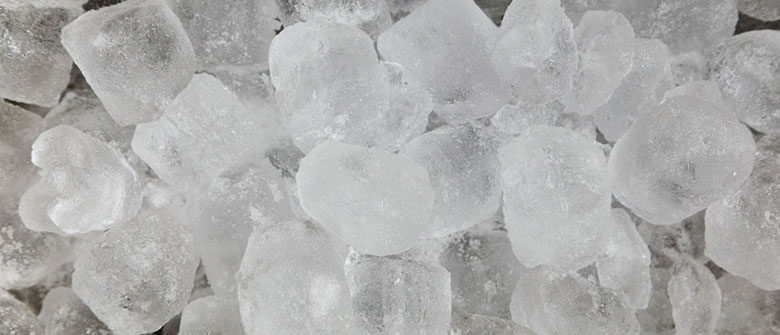
Bad ice can be the difference between sickness and health, it’s not just about the taste of your cold drinks, that’s why it’s an integral part of a proper hygiene procedure when using a commercial ice maker or ice machine.

If you’ve been wondering how to clean an ice machine, then luckily we’re here to help make sure you don’t fail a health inspection by not having cool clean ice making machines fit for professional usage.

It’s important to keep your ice machine clean, especially if it’s not been used for a long time, or it’s a brand new unit.

[ Read More ]