

Food as fuel
 Author
David
Author
DavidPosted On 10th June 2013
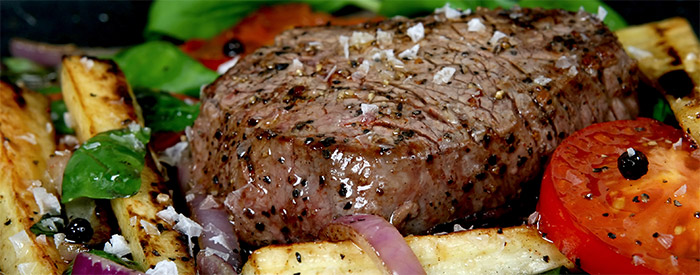
Where our ancestors ate to survive, we eat for pleasure.
Aside from a few medical conditions or physically demanding jobs such as building, there are few situations these days when people genuinely need to increase their calorie intake.
However one such group is athletes, whether at professional level or amateur marathon runners.
Getting the right nutrition is essential to maximise athletic performance.
The main energy source the body uses is carbohydrate, which is stored as glycogen and used as the body calls upon it.
Humans have limited storage capacity for carbohydrate, meaning regular refuelling is necessary.
Therefore it is important to make sure your body has sufficient reserves of energy to draw from during a training session.
This means eating a decent meal beforehand but as everyone knows, exercising on a full stomach is asking for trouble.
With a smaller snack you will be safe to start exercising after about 30 minutes to an hour.
After a large meal you should wait at least two hours for your food to digest before training.
A low GI diet is great for those on training programmes, allowing for slow and steady energy release through the day, supplemented by healthy snacks when necessary carbohydrate based with some protein is best; wholegrain bread with eggs, muesli and yoghurt, fruity flapjacks, smoothies, fresh fruit and nuts.
You should try to avoid certain foods while in training as they could make you feel heavy and uncomfortable, such as high fat or fibre items, spicy foods, caffeine and alcohol.