

Commercial Pizza Oven Buying Guide | CS Catering
 Author
Jacob Harrison
Posted On 3rd November 2026
Commercial Pizza Oven Buying Guide: How to Choose the Right Oven
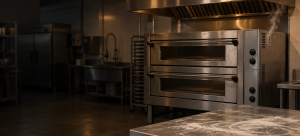
This commercial pizza oven buying guide will help you choose a machine that suits your menu, kitchen and budget. The type of oven, the pizzas you serve and the number of orders you handle all affect which model is right for you.
Whether you’re opening a pizzeria, adding pizza to a takeaway menu or replacing an old oven, start with your needs. Think about capacity, gas or electric power, kitchen space and installation before you buy.
This commercial pizza oven buying guide explains the main options, from traditional deck ovens to conveyor models, and highlights the practical features and specifications to compare. It will help you narrow down the choices and find an oven that suits your menu, workflow and busiest service periods.
1. What is a commercial pizza oven?
A commercial pizza oven cooks pizzas in a busy professional kitchen. It needs to deliver reliable results through repeated orders. Unlike a general-purpose catering oven, it usually has a cooking chamber and heat source designed for baking pizzas at higher temperatures.
You’ll find compact countertop ovens for cafés and pubs, as well as larger multi-deck and conveyor models for busy takeaways and pizzerias.
The right choice depends on the pizzas you’re making and how your kitchen operates. For example, a restaurant preparing a small number of made-to-order pizzas may have different requirements from a takeaway handling a steady flow of orders throughout the evening.
Don’t judge an oven by its advertised pizza count alone. Check the cooking temperature, chamber size, controls and installation needs too.
2. Types of commercial pizza ovens
One of the first decisions in a commercial pizza oven buying guide is whether a deck or conveyor oven suits your kitchen. Deck ovens cook in batches. Conveyor ovens move pizzas through a heated chamber on a belt. Each works well for different menus and levels of demand.
Deck pizza ovens
Deck ovens have a flat cooking surface, often made from stone or refractory material, on which pizzas are baked. Depending on the model, they may offer separate controls for upper and lower heat, giving operators greater control over how the base and toppings cook.
They’re a popular choice for pizzerias, restaurants and takeaways preparing pizzas to order. However, staff need to manage loading, cooking and removing pizzas, so workflow matters during busy periods.
Single-deck and multi-deck ovens
A single-deck oven has one cooking chamber and can be a practical option for kitchens with limited space or moderate pizza demand.
Multi-deck ovens have extra cooking chambers, so you can cook more pizzas at once. Some models also let you set the temperature of each deck separately. This can help when you’re cooking different products.
However, a double-deck oven won’t always double your output. Staff numbers, cooking times and other kitchen tasks may still limit how many pizzas you can serve. Check each chamber’s usable size.
Conveyor pizza ovens
Conveyor ovens use a moving belt to carry pizzas through a heated cooking chamber. On models with adjustable belt speed and temperature controls, operators can set cooking conditions to suit their menu.
This can help staff produce similar pizzas with repeatable results. For example, a busy takeaway may benefit from a steady flow of pizzas. However, conveyor ovens also need enough space, a suitable power supply and regular cleaning.
You can explore the conveyor pizza oven range at CS Catering.
Pizza oven type comparison
| Oven type | Main advantage | Main consideration |
|---|---|---|
| Single-deck | Compact format with direct batch control | Limited simultaneous capacity |
| Multi-deck | More cooking space across separate chambers | Larger installation and power requirements may apply |
| Conveyor | Continuous cooking with repeatable settings | Space, belt speed and workflow need careful assessment |
The best design depends on your menu and how orders move through the kitchen. A deck oven may suit a restaurant preparing varied pizzas to order, while a conveyor oven may be more practical where consistent, continuous production is the priority.
3. Gas vs electric pizza ovens
Both gas and electric ovens are common in commercial kitchens. Neither is always the better choice. Think about your gas or electricity supply, cooking needs, installation costs and daily use.
Electric pizza ovens
Electric pizza ovens range from compact countertop units to larger multi-deck and conveyor models. Many let you adjust the temperature. Some deck ovens also have separate controls for heat above and below the pizza.
Before choosing an electric model, check its power rating and connection requirements. Some compact ovens can use a standard socket, while larger models may need a dedicated electrical supply. We’ll cover these installation checks in more detail later in the guide.
Gas pizza ovens
Gas pizza ovens can be suitable for kitchens with an appropriate gas supply, particularly where larger cooking equipment is already installed.
Some models use natural gas, while others use LPG. Check the fuel type before ordering. A Gas Safe registered engineer with the right commercial catering qualifications must carry out the gas installation.
Ventilation, combustion air and any applicable safety systems also need to be assessed as part of the installation.
Also compare costs beyond the purchase price. Energy prices, hours of use and preheating all affect your bills. As a result, neither gas nor electric is always cheaper to run.
4. Commercial Pizza Oven Buying Guide: Choosing the Right Size
Choosing the right size means more than counting pizzas in the oven. Think about your largest pizza, how many orders arrive at busy times and how fast your team can prepare and serve them.
Pizza diameter and chamber capacity
Commercial pizza ovens are often advertised by the number and size of pizzas they can accommodate. For example, an oven described as holding four 12-inch pizzas may not fit four larger pizzas.
Check the cooking chamber’s internal size, not just the advertised pizza count. You’ll also need space to load and remove pizzas safely, especially if you use a peel.
For multi-deck ovens, compare the usable capacity of each chamber. Also consider whether your menu includes different pizza sizes or other products that need cooking space.
Planning for busy service periods
Start by estimating how many pizzas you need to prepare during your busiest hour, rather than using your average daily sales.
As a simple illustration, consider an oven that holds four pizzas and takes approximately six minutes to cook a batch.
Illustrative capacity calculation: Four pizzas per batch × (60 minutes ÷ 6 minutes per batch) = 40 pizzas per hour (theoretical maximum), before allowing for loading, unloading, heat recovery or interruptions.
In practice, your achievable output may be lower. Staff need time to prepare pizzas, load and unload the oven, and manage other orders. Cooking times and heat recovery can also vary.
Use the calculation as a planning tool, not a guaranteed production figure.
Allowing for future demand
If you’re expecting business to grow, it may be worth choosing an oven with some spare capacity. However, a larger model can also require more space, a higher-powered supply and a greater initial investment.
Think about how demand may grow over the next few years. You want enough capacity for busy periods, but there’s little benefit in paying for space you won’t use.
5. Pizza oven features worth considering
Once you’ve chosen an oven type and size, compare the features you’ll use each day. Controls, cooking surfaces and chamber design differ between models. So check the specifications before deciding.
Temperature controls and cooking consistency
Adjustable temperature controls help operators set the oven for the pizzas they’re preparing. Some electric deck ovens also have separate upper and lower heat controls, allowing staff to adjust how the toppings and base cook.
Conveyor ovens may offer adjustable belt speed as well as temperature settings. These can help maintain consistent cooking conditions when producing similar pizzas throughout service.
Maximum temperatures and control options vary between models. Choose an oven that supports your menu rather than assuming the highest temperature is always the best option.
Cooking decks and chamber design
Many deck ovens have stone or refractory cooking surfaces. These transfer heat to the pizza base. The deck material and thickness can affect cooking and how quickly the oven regains heat between batches.
Also check the height of the cooking chamber. This matters if you make thicker pizzas or bake other products. Make sure the usable space suits your menu.
Doors, insulation and practical usability
An oven’s design also affects how comfortably staff can work during busy periods.
Think about how easily staff can load and remove pizzas, reach the controls and work around the oven. Insulation and door design can affect heat loss and the temperature of outer surfaces. However, this varies by model.
Viewing windows, internal lighting and removable components may also be useful, depending on the equipment.
Prioritise features that support your cooking process and make routine cleaning and operation more manageable.
6. Commercial pizza oven installation requirements
Before ordering, make sure your kitchen can house the oven safely. Check the gas or electrical supply, ventilation, clearances and delivery access. Then compare them with the manufacturer’s installation instructions.
Electrical and gas connections
For electric pizza ovens, confirm the voltage, power rating, phase and connection type. Some compact models use a standard 13A plug, but larger ovens may need a dedicated circuit, hardwired connection or three-phase supply.
Even an oven described as single-phase may draw more power than a standard socket can provide. If you’re unsure whether your electrical supply is suitable, consult a qualified electrician before purchasing.
Gas ovens require additional checks. Confirm whether the model uses natural gas or LPG and whether your premises have an appropriate supply. Gas installation work must be carried out by a Gas Safe registered engineer with the relevant commercial catering qualifications.
Ventilation and working clearances
Pizza ovens give off a lot of heat. Your kitchen needs suitable ventilation to manage that heat, as well as fumes and vapours.
Gas-fired models also require adequate combustion air. Depending on the installation, additional ventilation arrangements or safety interlocks may be necessary.
Extraction requirements depend on the appliance, kitchen layout and applicable safety guidance. Don’t assume every electric pizza oven needs the same extraction system, or that an existing canopy automatically makes a gas installation suitable.
Also check the clearances the manufacturer requires around the oven. These may include rules about walls, nearby equipment and flammable materials.
Space, delivery access and positioning
Measure the space where the oven will be installed, allowing room for staff to load pizzas, open doors and work safely.
Check the oven’s overall dimensions and weight, not just the cooking chamber size. Larger multi-deck and conveyor ovens may need additional floor space or suitable supporting equipment.
Check doorways, corridors and other points on the delivery route too. Even if an oven fits in the kitchen, it may be hard to get it through the door.
Before ordering, confirm the installation requirements, delivery arrangements and any additional work needed to prepare the premises.
7. Running costs, cleaning and maintenance
The purchase price is only one part of the cost of a commercial pizza oven. Energy bills, cleaning and servicing also matter.
Understanding running costs
Energy use depends on the oven’s power rating, temperature, insulation and hours of use. Preheating and keeping the oven ready between orders also add to the cost.
A larger oven isn’t always cheaper to run just because it holds more pizzas. If demand is low, you may be heating space you don’t need. However, a smaller oven running flat out during busy periods may not be practical either.
Compare your energy prices, likely hours of use and expected orders. Don’t rely on general claims that gas or electric is always cheaper.
Cleaning and routine maintenance
Regular cleaning helps keep a pizza oven in good working condition and reduces the build-up of food debris and grease.
Cleaning methods vary by oven design and cooking surface. For example, stone decks may need different care from removable metal parts. Follow the manufacturer’s instructions. Avoid harsh chemicals or too much water where they aren’t suitable.
Check how easily you can access the cooking chamber, remove debris and clean any conveyor components where applicable.
Follow the manufacturer’s advice on routine servicing. Qualified personnel must inspect or repair gas equipment and electrical components where required.
An oven that’s straightforward to clean and maintain can be easier to manage throughout its working life.
8. Commercial pizza oven buying checklist
Before you buy, use this commercial pizza oven buying guide checklist to check that the equipment suits your menu, kitchen and busiest shifts.
- Oven type: Have you decided whether a deck or conveyor oven best suits your cooking process?
- Fuel type: Is gas or electric more suitable for your premises and available utilities?
- Pizza size: Can the cooking chamber accommodate your largest pizzas?
- Capacity: Can the oven handle your busiest service periods, allowing for realistic cooking and handling times?
- Controls: Does the oven offer the temperature settings and other features your menu requires?
- Installation: Have you checked the electrical or gas supply, ventilation and required clearances?
- Space and access: Will the oven fit its intended position and pass through the delivery route?
- Cleaning and maintenance: Can staff clean the equipment safely and access components that need routine attention?
- Budget: Have you considered installation, energy use and maintenance alongside the purchase price?
If you’re unsure about a model or its installation needs, check the manufacturer’s details and ask for advice. This can help you avoid costly changes later.
9. Commercial pizza oven FAQs
What is the difference between a deck oven and a conveyor pizza oven?
A deck oven cooks pizzas in batches on a fixed cooking surface, often made from stone or refractory material. Staff control when pizzas are loaded and removed, making deck ovens suitable for kitchens preparing varied pizzas to order.
A conveyor oven moves pizzas through a heated chamber on a belt. Adjustable settings, where available, can help maintain repeatable cooking conditions during continuous production. The better choice depends on your menu, order volume and kitchen workflow.
Is a gas or electric pizza oven better?
Neither is automatically better. Electric ovens are available in compact and larger configurations, while gas models may suit premises with an appropriate natural gas or LPG supply.
Compare the available utilities, installation requirements, cooking features and expected running costs. The best choice depends on your kitchen’s needs.
How many pizzas can a commercial pizza oven cook per hour?
Hourly output depends on pizza size, oven capacity, cooking time and how fast staff can load and unload it.
For example, an oven holding four pizzas with a hypothetical six-minute cooking cycle has a theoretical capacity of 40 pizzas per hour. Actual output may be lower once handling time, heat recovery and interruptions are considered.
Check manufacturer performance information and assess capacity against your busiest service periods.
Do commercial pizza ovens need extraction?
Extraction needs depend on the oven, fuel type, kitchen layout and safety requirements. So don’t assume that every pizza oven needs the same setup.
Gas ovens need adequate combustion air, and some installations require additional safety arrangements. Electric ovens also produce heat and may generate cooking fumes.
Check the manufacturer’s installation instructions and obtain professional advice where necessary. Don’t assume that every oven needs identical extraction arrangements.
Can a commercial electric pizza oven use a standard plug?
Some compact electric pizza ovens can operate from a standard 13A socket, but many larger models require a dedicated circuit, hardwired connection or three-phase supply.
A single-phase rating doesn’t automatically mean an oven is suitable for a standard plug. Check the voltage, power rating and connection requirements for the exact model before ordering.
Quick summary: Choosing the right commercial pizza oven
This commercial pizza oven buying guide covers the key choices: oven type, pizza size, cooking capacity, installation and running costs. Choose an oven that fits your menu, busiest shifts and available kitchen services. Price and advertised capacity alone won’t tell you which model is best.
| Your priority | What to consider |
|---|---|
| Preparing varied pizzas to order | A deck oven with suitable cooking controls |
| Handling a steady flow of similar orders | A conveyor oven with appropriate capacity |
| Increasing batch capacity | A multi-deck oven with sufficient cooking space |
| Working with limited kitchen space | A compact model with suitable ventilation and clearances |
| Choosing between gas and electric | Available utilities, installation requirements and running costs |
| Planning for busy periods | Realistic hourly output, not just maximum pizza capacity |
Before ordering, check the exact model’s details against your menu, kitchen layout and expected workload. The right oven should handle busy periods without adding costs you don’t need.
Browse our range
Explore our commercial pizza oven range at CS Catering to compare available models, capacities and features.
If you’re unsure which oven is suitable, our team can help you narrow down the options based on your menu, production requirements and available kitchen space.