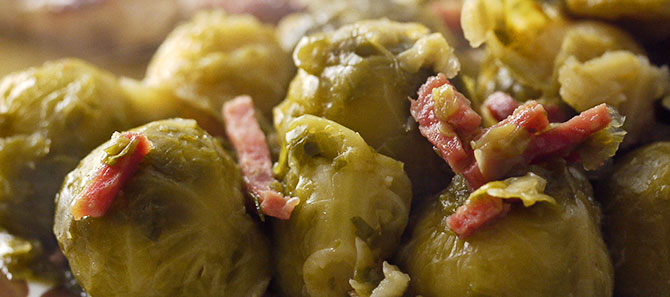
Proving they are not just for Christmas, perfect roast potatoes and wonderfully in-season brussel sprouts are fine winter fare with just a little care.
People are fussy about their roast potatoes and kids are always disdainful of sprouts, but get it right and you’ll keep everyone happy.
Quantities serve 8-10.
[ Read More ]
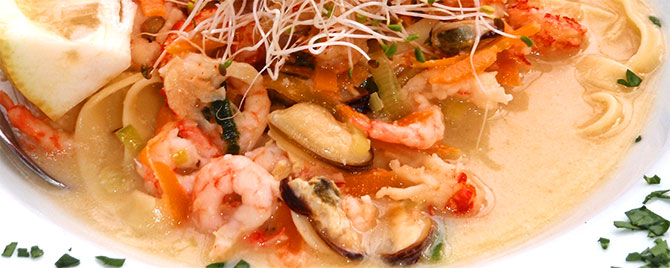
One pot cooking makes life simple, both by minimising time spent washing up and by offering flavoursome, healthy and complete meals perfect for sharing.
Serve straight from stove to table in an attractive pot and consider a simple salad or some crusty bread to add interest.
[ Read More ]
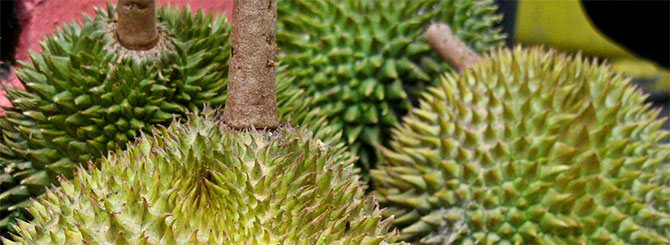
With our supermarkets stocking ever more exotic produce, you might think you know your fruit and veg.
However, nature is wonderfully complex.
[ Read More ]
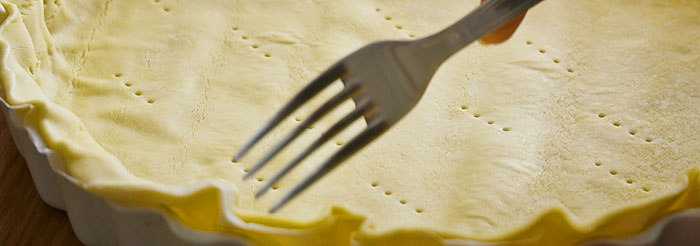
A good pastry technique is one of the simplest and most useful cooking skills you can learn.
Fluffy, flaky tart bases and comforting pies are enticing, all year round kitchen essentials.
[ Read More ]
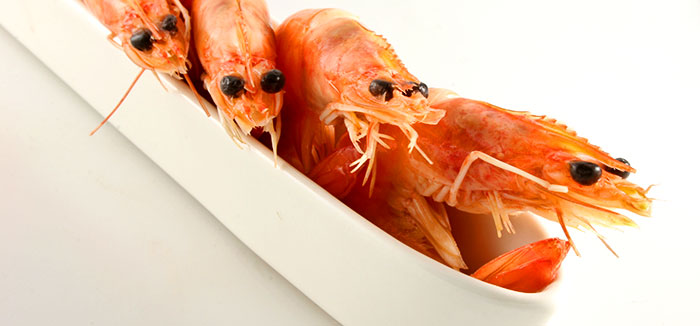
As is often the case with seafood, the process of preparing prawns can seem fiddly and rather off-putting.
However, it is really worth putting in the effort as fresh prawns are delicious, particularly when served simply with a basic cocktail sauce or boiled, steamed, stir-fried, grilled or in soup.
[ Read More ]
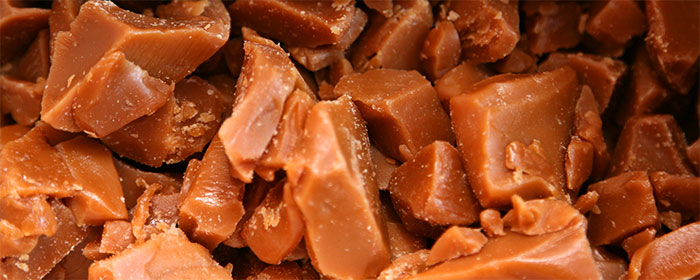
Homemade sweets are not only indulgent and delicious but also make great gifts.
Wrap a few squares of either toffee or fudge, or both, in clear cellophane and tie with a pretty ribbon.
For a variation, add some chopped pecans, almonds or walnuts to the tins before adding the toffee or fudge.
Fudge, 50 pieces:
- 450g caster sugar
- 113g carton of clotted cream
- 170g can of evaporated milk
- 50g butter
- 1 teaspoon vanilla extract
Grease an 18cm shallow, square tin.
Put the sugar, butter, cream and milk in a heavy based pan and heat gently, stirring until the sugar has dissolved.
Bring to a gentle boil and simmer for 30 minutes, stirring every five minutes, until the mixture is a light brown (make sure it doesn’t burn!).
Plunge the base of the pan into cold water and stir in the vanilla extract.
Beat with an electric whisk, scraping the sides, for about five minutes, until thick.
Pour into the tin and smooth into the corners.
Chill until firm and cut into bite-size squares.
Toffee:
- 250g butter
- 250g caster sugar
Grease and line an 18cm shallow, square tin.
Put the butter and sugar in a heavy based pan and heat gently until the sugar is dissolved.
Increase the heat to medium and keep cooking, stirring frequently, until the mixture is a deep brown.
A sugar thermometer should read about 1500C, or a blob dropped into cold water should form flexible, thick threads which break up after a few seconds.
Pour into the tin and smooth into the corners.
Chill until firm and cut into bite-size squares.

Nothing finishes off a Sunday roast better than an apple crumble, topped with custard, cream, ice-cream or even some tangy Greek yoghurt and it’s so simple to make.
Give this traditional favourite a twist and a burst of colour with the addition of raspberries.
[ Read More ]
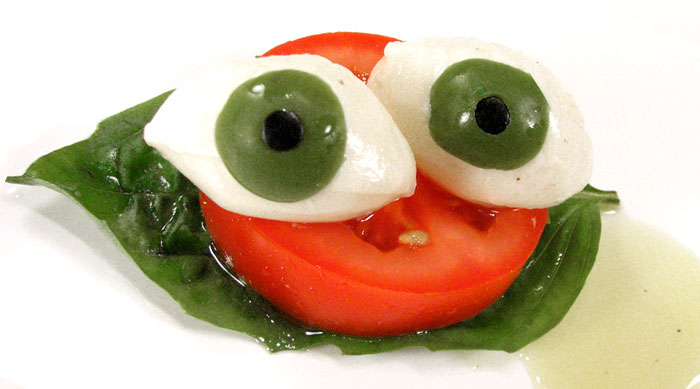
A salad without some kind of dressing is just, well, leaves.
Whether tart and piquant or rich and creamy, a dressing gives your salad personality.
Add the dressing just before serving, never in advance and don’t overdo it.
Aim to simply coat the leaves lightly. Some basic dressings:
Balsamic dressing
- 2 tablespoons balsamic vinega
- 4 tablespoons extra virgin olive oil
- Salt and ground black pepper
Whisk the ingredients together in a small bowl.
To get a really good emulsion you may need to add a teaspoon of cold water and shake the lot together vigorously in a screw-topped jar.
French dressing
- 1 teaspoon Dijon mustard
- Pinch of sugar
- 1 tablespoon red or white wine vinegar
- 6 tablespoons extra virgin olive oil
- Salt and ground black pepper
Whisk together the mustard, sugar, vinegar and seasoning in a small bowl, then gradually whisk in the olive oil until well combined.
For a garlic dressing, add a crushed clove with the oil.
Herb dressing
- Teaspoon Dijon mustard
- Pinch of sugar
- 1 tablespoon lemon juice
- 2 tablespoons chopped, fresh herbs, such as parsley, chervil and chives
- 6 tablespoons extra virgin olive oil
- Salt and ground black pepper
Whisk together the mustard, sugar, lemon juice, herbs and seasoning in a small bowl, then gradually whisk in the olive oil until well combined.
Blue cheese dressing
- 50g Roquefort cheese
- 2 tablespoons low-fat plain yoghurt
- 1 tablespoon white wine vinegar
- 5 tablespoons extra virgin olive oil
Add the cheese, yoghurt, vinegar and olive oil to a food processor and whizz for a minute or until thoroughly combined.
Season to taste.
Photo: Lenore Edman
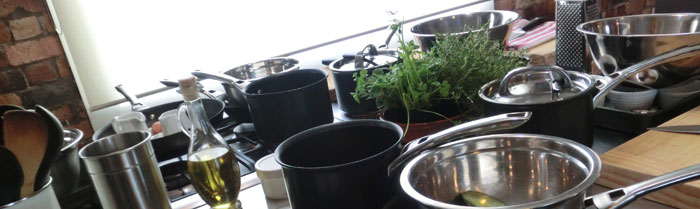
In both professional and domestic kitchens, storing and preparing food in a hygienic way will not only ensure it remains as nutritious and flavoursome as possible but also reduces the risk of food poisoning.
Most food safety is common sense:
[ Read More ]
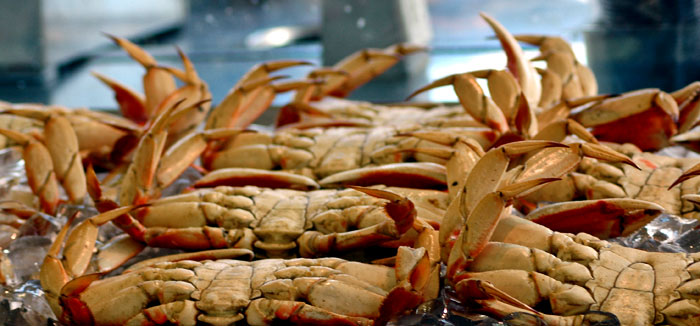
Fresh crab is healthy, delicious and reasonably priced but can be intimidating to prepare.
However once you have demystified the process you will find a number of interesting recipes for which you can use your fresh crab.
1. Live crabs provide the freshest meat but they must be humanely killed before cooking. Place the crab belly up on a board. Using a large chef’s knife, plunge it straight down into the crab’s head, between or just below the eyes.
2. Cook the crab in a pan of boiling water for 5 minutes per 450g of weight.
3. The crab can be served whole with tools for diners to use themselves or the cooked meat can be used in recipes. Place the crab on a board, belly up and twist off the legs and claws. Lift off and dispose of the ‘apron’ (the tail), which is long and pointed in a male and short and broad in a female.
4. Pull the body out of the shell and remove and dispose of the feathery gills and grey stomach sac. Cut the body into pieces and pick out the meat using your fingers, a crab pick or a small knife. Scrape the brown meat from the shell but keep it separate from the white meat. Also remove and separate the roe, if there is any.
5. Crack the claws with the back of a large knife and pull out the meat in a single piece or large chunks.
6. Cut through each side of the leg shells with scissors. Pull away the shell halves to expose and remove the meat.


 Author
David
Author
David