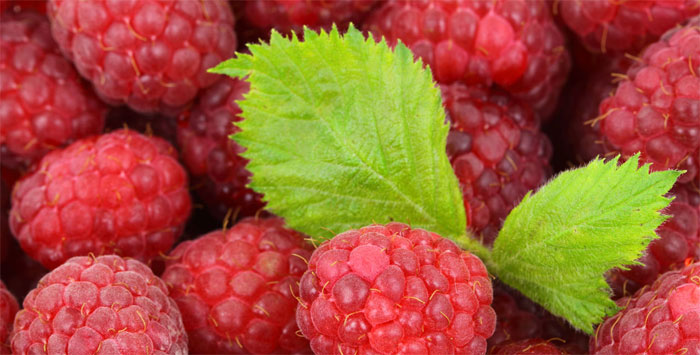
Nothing finishes off a Sunday roast better than an apple crumble, topped with custard, cream, ice-cream or even some tangy Greek yoghurt and it’s so simple to make.
Give this traditional favourite a twist and a burst of colour with the addition of raspberries.
[ Read More ]
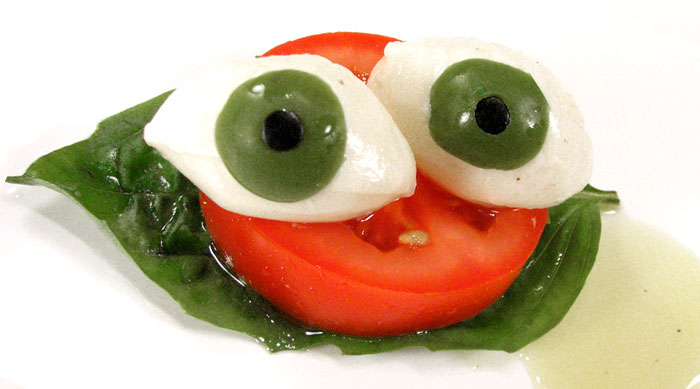
A salad without some kind of dressing is just, well, leaves.
Whether tart and piquant or rich and creamy, a dressing gives your salad personality.
Add the dressing just before serving, never in advance and don’t overdo it.
Aim to simply coat the leaves lightly. Some basic dressings:
Balsamic dressing
- 2 tablespoons balsamic vinega
- 4 tablespoons extra virgin olive oil
- Salt and ground black pepper
Whisk the ingredients together in a small bowl.
To get a really good emulsion you may need to add a teaspoon of cold water and shake the lot together vigorously in a screw-topped jar.
French dressing
- 1 teaspoon Dijon mustard
- Pinch of sugar
- 1 tablespoon red or white wine vinegar
- 6 tablespoons extra virgin olive oil
- Salt and ground black pepper
Whisk together the mustard, sugar, vinegar and seasoning in a small bowl, then gradually whisk in the olive oil until well combined.
For a garlic dressing, add a crushed clove with the oil.
Herb dressing
- Teaspoon Dijon mustard
- Pinch of sugar
- 1 tablespoon lemon juice
- 2 tablespoons chopped, fresh herbs, such as parsley, chervil and chives
- 6 tablespoons extra virgin olive oil
- Salt and ground black pepper
Whisk together the mustard, sugar, lemon juice, herbs and seasoning in a small bowl, then gradually whisk in the olive oil until well combined.
Blue cheese dressing
- 50g Roquefort cheese
- 2 tablespoons low-fat plain yoghurt
- 1 tablespoon white wine vinegar
- 5 tablespoons extra virgin olive oil
Add the cheese, yoghurt, vinegar and olive oil to a food processor and whizz for a minute or until thoroughly combined.
Season to taste.
Photo: Lenore Edman
In both professional and domestic kitchens, storing and preparing food in a hygienic way will not only ensure it remains as nutritious and flavoursome as possible but also reduces the risk of food poisoning.
Most food safety is common sense:
[ Read More ]

Fresh crab is healthy, delicious and reasonably priced but can be intimidating to prepare.
However once you have demystified the process you will find a number of interesting recipes for which you can use your fresh crab.
1. Live crabs provide the freshest meat but they must be humanely killed before cooking. Place the crab belly up on a board. Using a large chef’s knife, plunge it straight down into the crab’s head, between or just below the eyes.
2. Cook the crab in a pan of boiling water for 5 minutes per 450g of weight.
3. The crab can be served whole with tools for diners to use themselves or the cooked meat can be used in recipes. Place the crab on a board, belly up and twist off the legs and claws. Lift off and dispose of the ‘apron’ (the tail), which is long and pointed in a male and short and broad in a female.
4. Pull the body out of the shell and remove and dispose of the feathery gills and grey stomach sac. Cut the body into pieces and pick out the meat using your fingers, a crab pick or a small knife. Scrape the brown meat from the shell but keep it separate from the white meat. Also remove and separate the roe, if there is any.
5. Crack the claws with the back of a large knife and pull out the meat in a single piece or large chunks.
6. Cut through each side of the leg shells with scissors. Pull away the shell halves to expose and remove the meat.
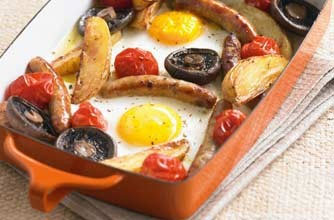
A hearty, healthy breakfast is supposed to prime your body and set you up for the day.
Make a change from the cornflakes or fry up with these delicious options.
[ Read More ]
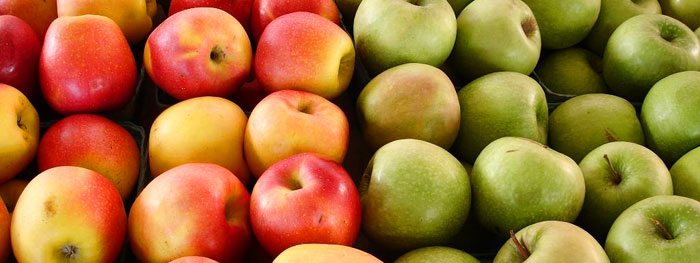
Eating seasonal produce is trendy these days because it’s environmentally friendly.
Local food which doesn’t have to travel far leaves a lower carbon footprint than tropical fruits and vegetables which need to be imported from exotic locations.
Growing according to nature’s cycles uses less energy than foods which require artificial light and heat.
[ Read More ]
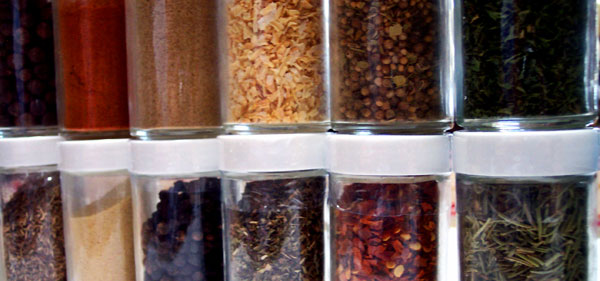
In the past, herbs and spices were often used as medicines or to disguise the flavour of food past its best and to lend some protection through their medicinal qualities.
These days they are more often used to bring out the flavour of food.
Britain was introduced to many herbs through monasteries, where herb gardens were cultivated for medicinal use.
Herbs
It’s easy to find most dried herbs in supermarkets but nothing beats fresh varieties, particularly home grown.
Whether you have a large garden or live in an apartment, it’s easy to grow your own herbs as they flourish on windowsills and scent the air nicely.
To dry, harvest early on a sunny day, after the dew has evaporated but before midday, so that they are dry but before the oils start to evaporate.
Wrap the picked herbs in cones of newspaper and hang upside down in an airy place until completely dry.
Once dry, store in glass jars in a cool, dark place.
Spices
These are best stored whole as they begin to lose aroma and flavour once ground.
Store in a cool, dark place and use freshly ground for full flavour.
An electric coffee grinder is ideal.
Clean out the strong flavours by grinding a couple of teaspoons of rock salt between spices and after use.
Store cupboard
With so many varieties it’s hard to know where to start, but a list of store cupboard basics could be salt and pepper, parsley, basil, oregano, chilli powder, cinnamon, nutmeg, cloves, paprika, allspice, ginger, cumin, thyme, rosemary, sage, dill, cayenne pepper and curry powder.

The humble sausage is not just for breakfast make the most of this versatile ingredient with warming winter recipes.
These are beautifully simple dishes but benefit from using really good quality or even speciality sausages.
[ Read More ]


 Author
David
Author
David