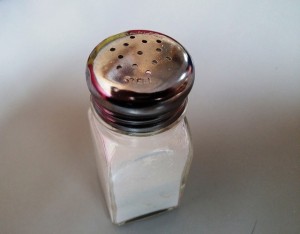
 Fish and chips shops up and down the country have are switching to salt shakers that have far fewer holes in a bid to help prevent heart disease.
Shops taking part in the scheme, which will see older varieties – which can have up to seventeen holes – be replaced by newer five-hole models, will also be given a batch of low sodium salt and pack of posters as part of the NHS funded initiative.
Restaurants in Cheshire, Tyneside and Norfolk will be amongst the first to receive their wares.
[ Read More ]
 According to a survey conducted by the Food Standards Agency (FSA) 44% of us wash chicken before cooking it.
However the FSA has warned people against this commonly held kitchen practice as doing so increases the risk of food poisoning.
Those most at risk are the elderly and children under the age of 5.
Camplyobacter currently affects 280,000 people in the United Kingdom each year and the bacteria is commonly spread onto hands, clothing, utensils and surrounding work surfaces from splashing water droplets, hence why the governmental department has moved to inform the general public about this unknown threat.
[ Read More ]
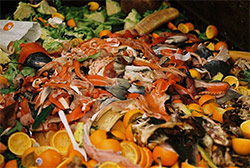 What do you do with your leftover food at the end of every day?
According to a report published today, supermarkets are opting to turn waste produce and surplus food into biogas rather than donating them to people in need.
Currently, the government offers millions of pounds worth of subsidies for those involved with the construction, maintenance and the day-to-day running of anaerobic digestion plants. These plants, it is stated, convert around 100,000 tonnes of food which is fit for human consumption into biogas, according to the charity FareShare.
[ Read More ]
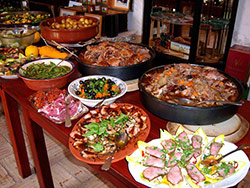 This news may not come as a surprise to many, but many restaurant goers associate cost with quality.
So if you are thinking about lowering your prices, your patrons may suddenly decide your food is worse – even when you haven’t altered a single thing on the menu!
A new study, which was presented at the Experimental Biology meeting last week, found that the perception of taste varies wildly in accordance to the price of the meal. The group of researchers – who had bases in nutrition, economics and consumer behaviours – also found that the monetary value of the meal has no correlation to the amount eaten at a sitting.
[ Read More ]
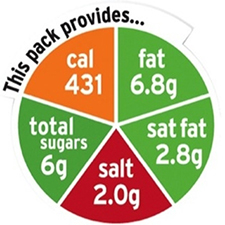 A new piece of research suggests that the practise of listing the calorie content on café and restaurant menus may not be changing the way customers behave.
The appearance of information relating to the calorie content on menus of restaurants and cafes is a relatively new phenomenon and the practise is not widespread across the industry.
The authors of the meta-study looked at over thirty different academic conclusions drawn up in a six and a half year period ending in the summer of 2013 which dealt with how labelling influenced customer choices whilst dining.
[ Read More ]
 Over a decade ago steps were taken by the government and health agencies to push food companies into reducing salt levels in processed foods. The result of that became apparent in 2011 when figures were released that as a nation we were eating 15% less than we did eight years previously in 2003. Researchers into the subject say that this has led to improvements in our health, statements which are backed up by fact: over the same period there was a 42% decline in deaths due to strokes and a 40% drop in deaths due to cardiovascular diseases.
[ Read More ]
 The exclusive Danish restaurant Noma picked the title of the World’s Best Restaurant again during an annual award ceremony a couple of days ago. The victory marked the fourth time that the Copenhagen establishment had claimed the prize of being the best in the world, but is it?
Awards like this are always subjective and there it is no surprise that the event and announcement has polarised industry professionals and ‘average punters’ alike: some people, as the Guardian’s Marina O’Loughlin states ‘question how impartial judges have scored reservations at some of the world’s hardest-to-book tables,’ exclusive chefs whip themselves into a frenzy over nominations whilst the average person on the street will more like be preoccupied with the qualities of beans on toast rather than the latest concoction by Heston Blumenthal.
[ Read More ]
 Not that long back we talked about improving our eating experience by involving all our senses in the process. Tasting and smelling food items is one thing, but researchers from a gastronomic institute in Italy claimed that we all should try and strike up a resonance with what is on our dinner plate and getting a very literal feel for it.
Well after that our attention has been piqued by the results of a recent experiment run by a drinks company – and the results have caught many within the beverage and catering industry by storm.
[ Read More ]
Earlier on this year it transpired that five portions of fruit and vegetables a day may not be enough and that figure should be revised upwards to seven.
To quickly recap, the research, conducted by scientists from University College London, stated that having at least seven healthy portions was associated with a 42% lower risk of death.
This came at a time when the World Health Organisation is warning the childhood obesity is on track to become the norm.
One question that people have been constantly asking since the results of the study were made public is ‘how do I fit seven servings in to my eating routine?’
[ Read More ]
 The Nationwide Caterers Association (NCASS) has been collecting signatures opposing a piece of legislation that it claims could cause irrevocable damage to all areas of the catering industry.
Whether you are running a catering business large or small, keeping a tab on your expenditure is vital to secure a long term future. Whether it be increasing energy of food prices or and growth in administrative fees, all outgoings are rigorously monitored and compared with incomings.
As one supermarket chain says, every little helps.
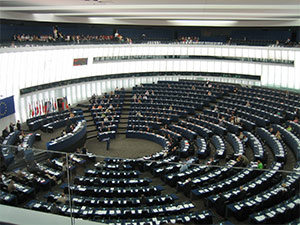
Well, in the European Parliament, MEP’s have been in consultation about bringing in new changes to EU Regulation 882/2004 which, it is claimed, will see a change in funding parameters for an establishment that undergoes a hygiene inspection.
Voting took place yesterday.
[ Read More ]


 Author
Damien Wilde
Author
Damien Wilde